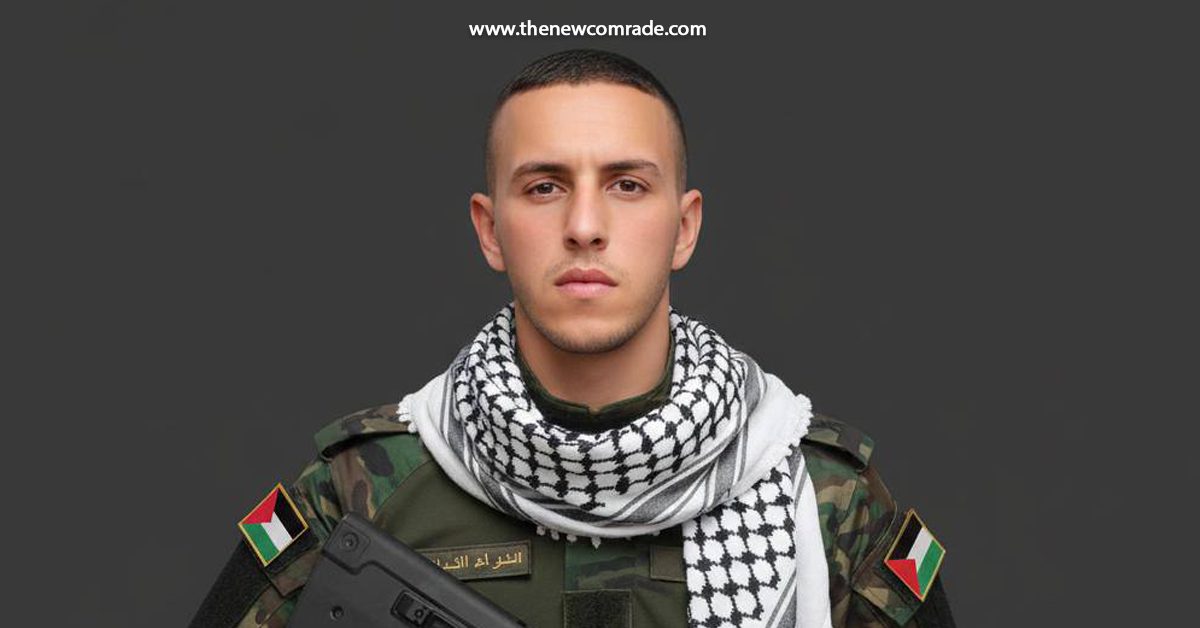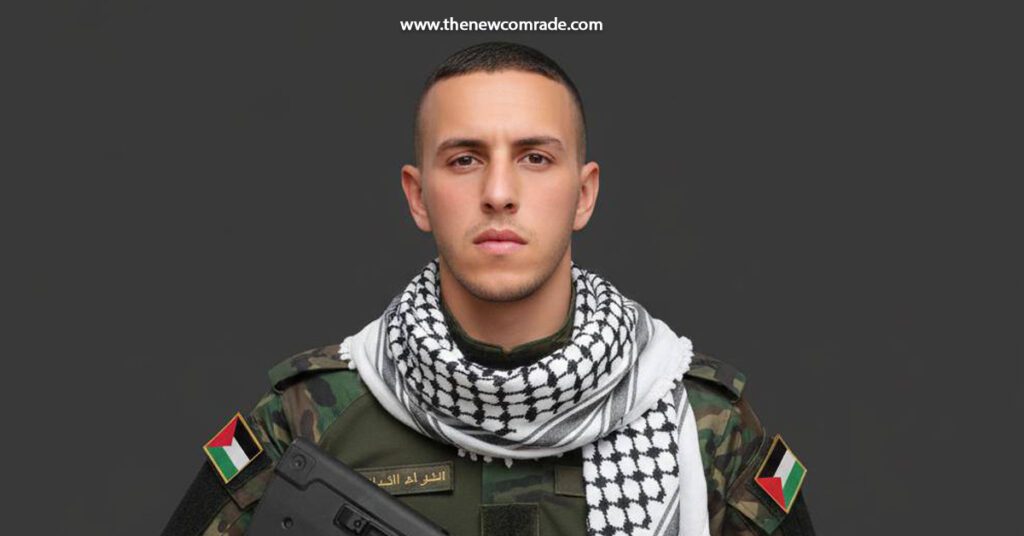
This is the story of Abdullah Ghazi Hamad. The son of a senior Hamas negotiator, he could have been a symbol of privilege. Instead, he became a symbol of something else entirely: a generation’s unbearable sacrifice and unbreakable will. While his father, Dr. Ghazi Hamad, battled at the political front to halt a genocide, Abdullah vanished into the hellscape of Rafah’s underground, choosing a rifle over refuge, hunger over surrender.
For eight months, his fate was a silent question mark in his family’s heart, answered only by fleeting, proud whispers from the battlefield. Through an intimate interview with his elder brother, Mohammed, we piece together the portrait of a quiet, pious young man whose calm nature belied a steel core. We learn of a last smile, a final message charged with the duty of a will, and a steadfast refusal to give the enemy the image of defeat, even as thirst and siege tightened their grip.
Abdullah Ghazi Hamad, (2001-2025), joined Qassam Brigades in 2017, when he was barely sixteen years old. He used to be encouraged by his father in this step, believing that dignity is defended through sacrifice, as it is in words.
On October 7, 2023, as Operation Aqsa Storm was announced and Palestinian resistance rockets were launched toward the Zionist occupation, Abdullah picked up his weapon and rushed to join his co-fighters. A friend stopped him, telling him that the operation had ended. That moment marked a turning point; his heart had already chosen the battlefield.
During the Zionist ground invasion of Rafah in 2024, Abdullah did not take part in resistance. His mother insisted that he stay behind. He was her closest son – the most cherished among his siblings. Her fear for him outweighed everything else.
“Go ahead; I will follow you”
These were the final words between Abdullah and his elder brother Mohammed Ghazi Hamad (26 years). Mohammed was fleeing Rafah as one of the last civilians leaving the city after the occupation violated the first ceasefire agreement. Abdullah sat on the steps of their home as Mohammed urged him to get in their car. Abdullah spent twelve days alone in the house after the neighbourhood had emptied.
On March 30, 2025, Mohammed reached Mawasi, west of Khan Younis, to reunite with his family. He tried calling Abdullah but no answer. Minutes later, Abdullah sent his final message, words that seemed more a will than a farewell : “Take care of my mother and siblings. I am going with the resistance fighters.” He turned off his phone. From that moment on, all contact was cut. For eight months, Abdullah’s fate remained unknown. Yet fragments of news reached the family from time to time, stories filled with pride and quiet reassurance. Abdullah was fighting across Rafah’s tunnels and homes, moving under siege, fighting the Zionist occupation face to face. During one encounter, he seized a Tavor rifle from a Zionist soldier and continued fighting with it till martyrdom, enduring days of extreme hunger, thirst, and siege.
A father negotiates while a son fights
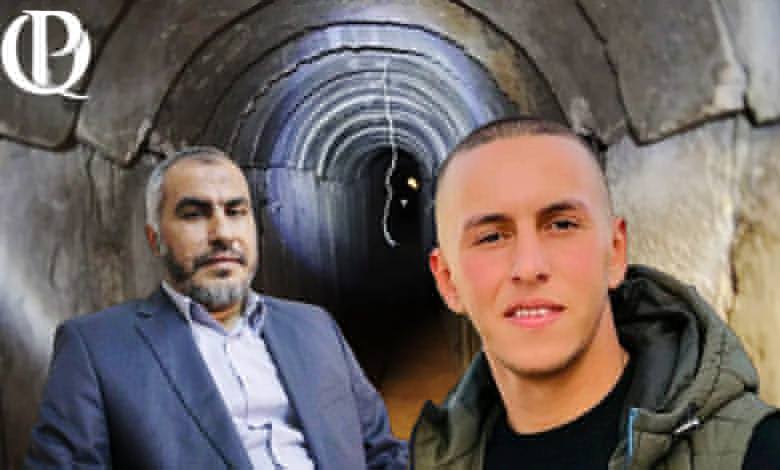
Abdullah was the son of Dr. Ghazi Hamad, a member of Hamas’ Politburo and its negotiating delegation. While the father fought in the political arena, negotiating on behalf of 2.4 million people facing the fire of genocide, his son was fighting in one of the most complex and dangerous battlefields in Rafah, where the occupation imposed its tightest grip.
Through this blood, resistance leaders affirmed that they were never detached from the frontlines. The father stood firm on a principle that allowed no compromise: stopping the genocide above all else. The son stood firm in the tunnels of Rafah, refusing to raise his hands in surrender, denying the occupation the image it desperately sought, an image meant to conclude the war – shatter resistance morale, and fabricate victory. Despite the hunger and thirst, the fighters denied them that moment.
The son of a leader, falsely accused of living in hotels, departed this world hungry, besieged, and thirsty. He was a young man who moved from training grounds to real battlefields, disappearing from his family for eight months, roaming Rafah’s neighbourhoods, recording acts of courage, and engaging in relentless clashes.
With a heart weighed down by loss, Mohammed recalls their final days together: “We stayed in the house after the family fled. We did not leave until food ran out, and I had to walk long distances to find something to eat. Those twelve days were the first time that we had lived together in years. Abdullah was an officer at the Police College and usually stayed there all week, returning only on Thursdays. During the war, I was busy with relief work, and he became the backbone of the family, taking care of everything in my absence.”
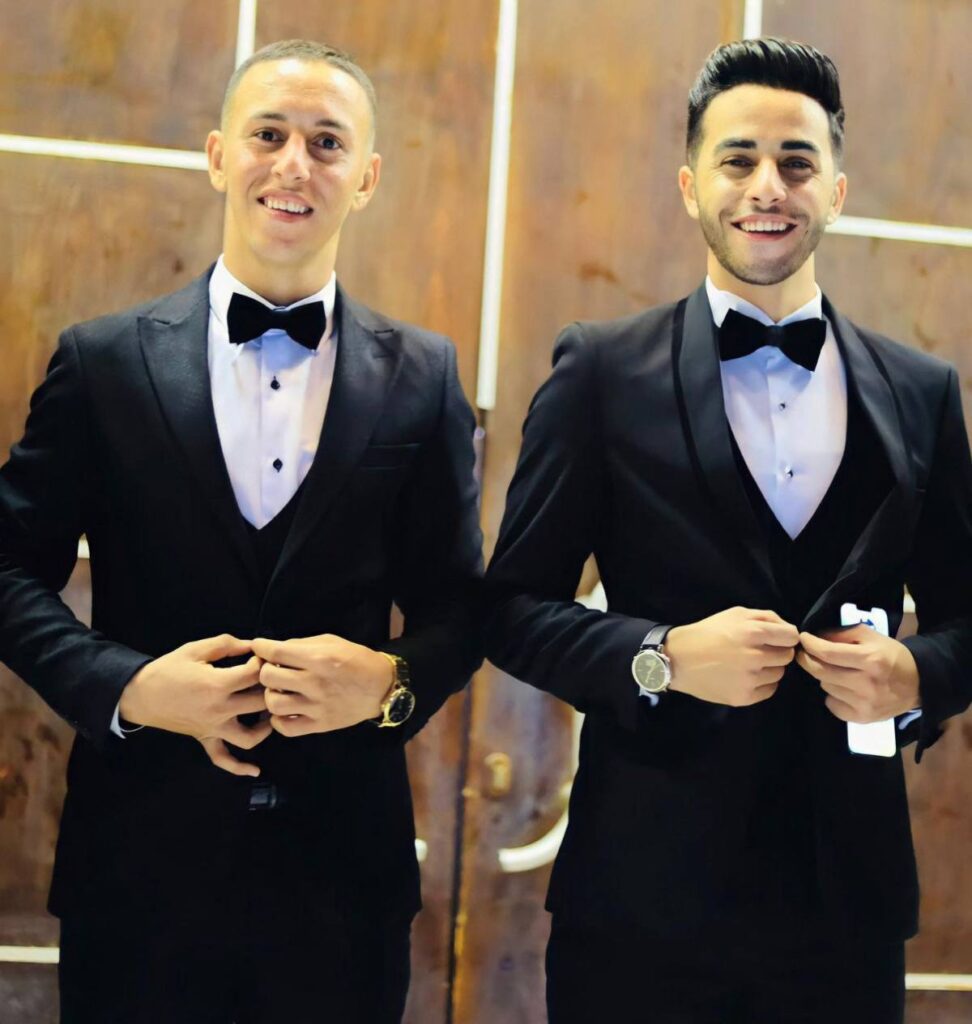
Abdullah’s last smile remains etched in Mohammed’s memory: “I told him to come with me and flee with me. He said he would follow. I did not realise he was planning something else until he sent that message. It was Ramadan, and he prayed constantly. My brother was martyred on November 28, 2025. Two days later, the occupation announced it. He always felt that he would leave this world on his birthday.”
Though contact with him was severed, his news never fully stopped. Messages were conveyed from the battlefield: “He is fine with the resistance fighters”. These were enough to ease the family’s fears. Mohammed explains: “He was with the battalion commander. I learned that he tried to send us a will through another fighter, but the man was delayed, and then all roads were closed. Every news that reached us said he was inflicting serious damage on the occupation forces; things that even surprised me.”
His voice blends pride with grief: “Being of calm nature, no one expected this from him, but Allah prepared him to be a brave fighter. While displaced on the outskirts of Rafah, I would wake up at dawn knowing my brother was nearby, just minutes away, yet I could not bring him food or water. That reality made my mother cry every day. On the morning of his martyrdom, I woke up with a strange feeling. I told my sister that it felt like a day of martyrdom. Two hours later, the news of his martyrdom was announced after twenty days of his injury while he was fighting the occupation army.”
To Mohammed, Abdullah was never “missing”: “A missing person is someone who loses their way. My brother knew exactly where he was going and how the road would end. To us, he was a hero. Losing him is heavy on my heart. I considered him my twin. We were close in age, with five years separating us from our younger siblings. What broke us was hearing that they were besieged and starving.”
Abdullah was known for his calm, shy, pious, and patient nature. He rejected injustice and stood by the oppressed, even strangers. Military training gave him greater grit, but never stripped him of compassion.
His loyalty extended beyond his own family. One of his friends was killed during the war, and when that friend’s family fled south, Abdullah treated them as his own, bringing them food and water every day. He would often take whatever he could from his home and give it to families of martyrs and the needy.
“My mother used to joke with him” Mohammed says, smiling through tears. “He sacrificed himself and his family’s comfort for the exhausted, the poor, and the families of martyrs and prisoners.”
A Family Forged in Struggle: A Legacy of Resistance Across Generations
Dr. Ghazi Hamad’s family is known for its long history of struggle. His father was martyred in occupation prisons in the 1960s and had himself thrust into the path of resistance. He is considered one of the most prominent figures of the resistance, in the generation that emerged with the beginnings of the Hamas movement prior to 1987.
Abdullah is the first martyr amongst Dr. Ghazi Hamad’s sons. Mohammed describes his brother’s martyrdom as “a medal of honour” recalling a moment from the 2021 war when their father returned home after eleven days, grief etched on his face:
“He asked us, ‘Has none of you been martyred yet?’ and prayed that he would reach martyrdom before us, and that we would follow.”
Pride fills Mohammed’s voice as he concludes: “Abdullah’s martyrdom honoured us all. He loved to be called Abdullah Hamad and avoided using our father’s name so he would not receive special treatment. He hated favouritism.”
For years, the family faced accusations of living in luxury. Abdullah’s blood exposed the lie. “Falsehood, no matter how loudly it is repeated, will eventually be exposed. They claimed negotiators abandoned the fighters’ sons. But one of the negotiators’ sons became a martyr fighting hungry, thirsty, and besieged.” Mohammed remarked.
Disclaimer: The opinions expressed in this article are solely the author’s and do not neccessarily reflect the opinions or beliefs of the website and its affiliates.