On March 30, 2026, the Knesset passed a controversial law imposing the death penalty on Palestinians convicted of killing Zionists, if the act is classified as “terrorism” by a military court or motivated by what is described as “denial of the existence of the State of Israel.”
The bill was introduced by the Jewish Power Party, led by National Security Minister Itamar Ben-Gvir, along with Likud member Nissim Vaturi. It passed with a majority of 62 votes in favour, 48 against, and one abstention.
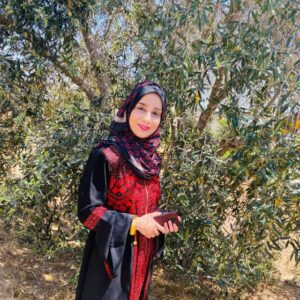
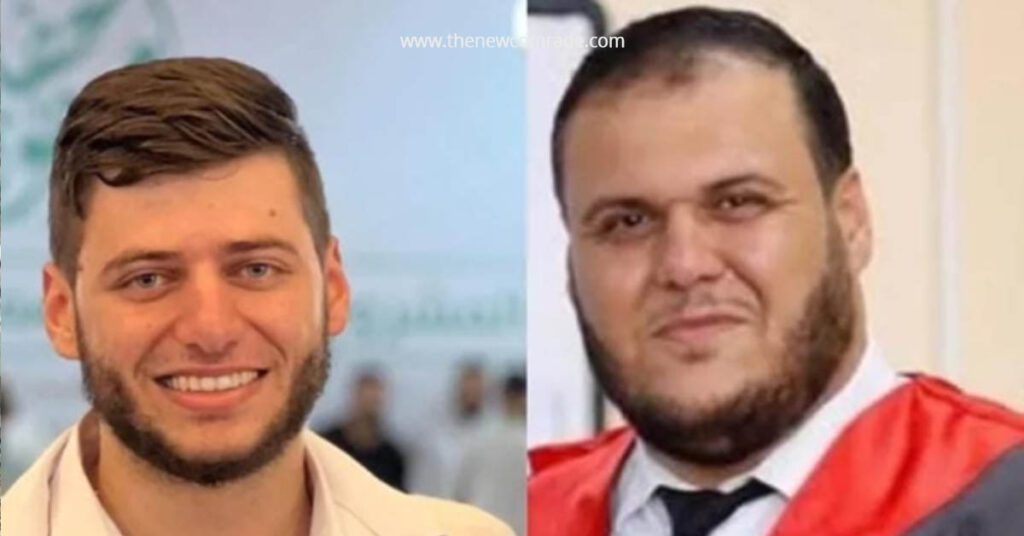
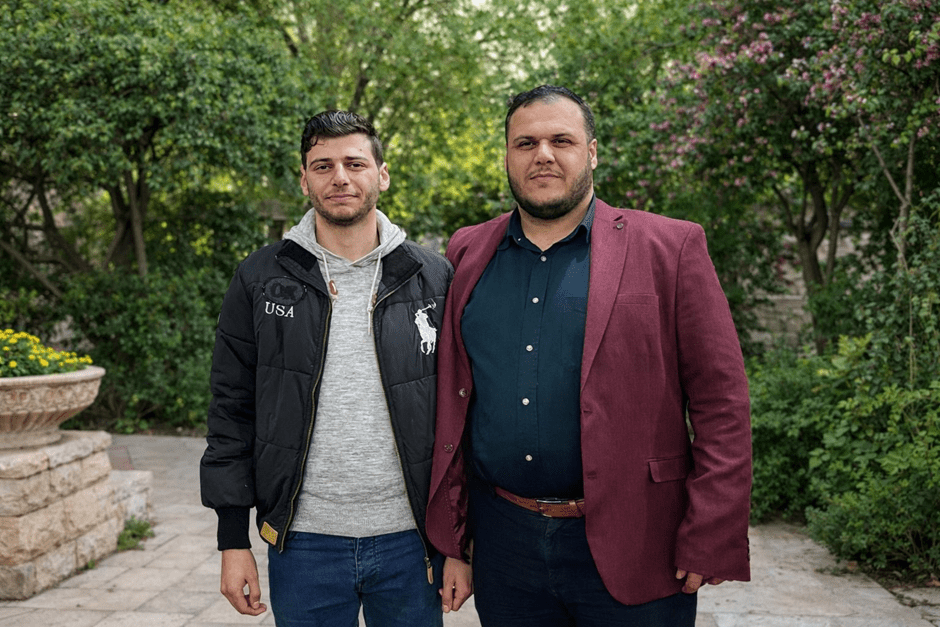
This law comes at a time when countless Palestinian families are living through unimaginable loss. Ruwaa Kefah Kuhail, a 29-year-old English literature graduate, is one such person. Her life has been shattered by war. Ruwaa grew up in a close-knit family. She is married and mother to a young daughter. She has three brothers. Her eldest brother, Masoud Kuhail, 35, a post-graduate engineer worked at Gaza Municipality. He is married, with two children, and was prominent for his social service. Her second brother, Sameh Kuhail, 27, is a dentist.
Both those brothers were arrested two months into the Aqsa Storm.
The Arrest
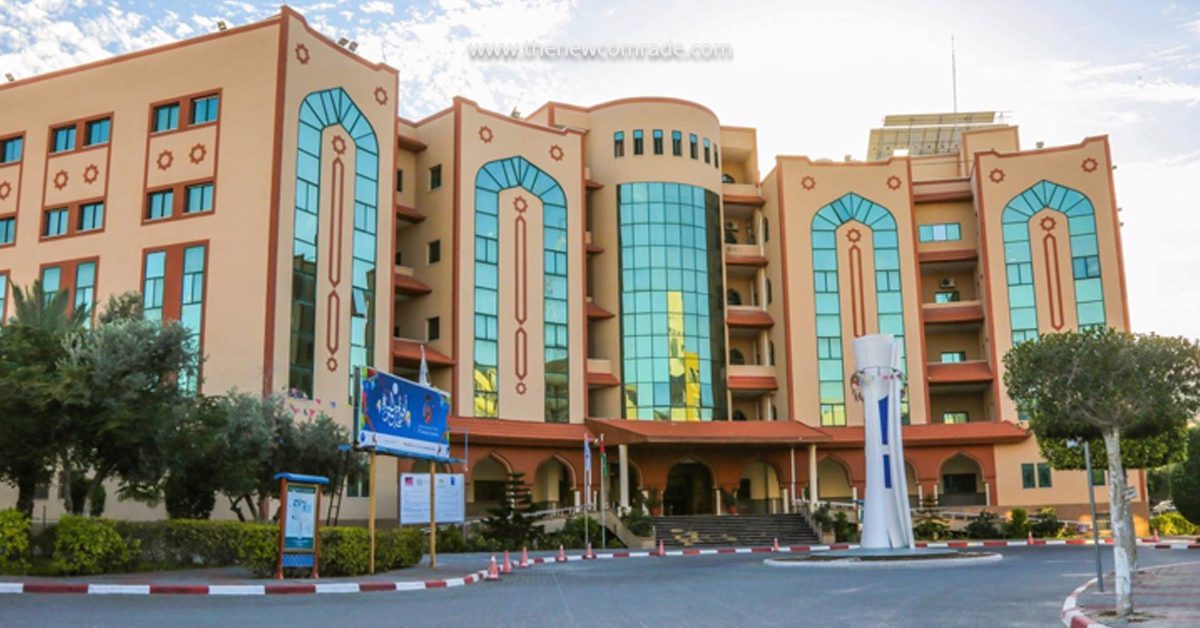
Masoud and Sameh were displaced to Karama Hospital in Gaza City amid relentless bombardment and severe security conditions. They spent one of the most terrifying nights of their lives there. By morning, enemy tanks advanced toward the hospital, indiscriminately shelling it. They fled to their sister’s home in the ‘Naser’ neighbourhood, where they stayed for a month. Upon Zionist airstrike hitting an adjacent house, water supplies were cut off and life there was rendered impossible. The brothers were forced to flee again – this time to ‘Holy Family School’, shortly before the first ceasefire in November 2023.
With the ceasefire, they briefly returned to their sister’s home, unable to reach their own, due to Zionist tanks and surveillance drones. Upon resumption of the war, they returned to the school, where they got trapped by the enemy tanks closing in.
After three days of siege, potable water ran out. One of the trapped civilians climbed to the roof, waving at enemy tanks and pleading for water. The response was chilling – Zionist troops ordered people inside to split into two lines: males and females. They were forbidden from taking any belongings. Males were ordered to strip in freezing weather and squat on the ground while military dogs surrounded them. They were subsequently loaded onto trucks and transferred to detention camps in Sde Teiman, and later to Ofer Prison.
A Family Targeted
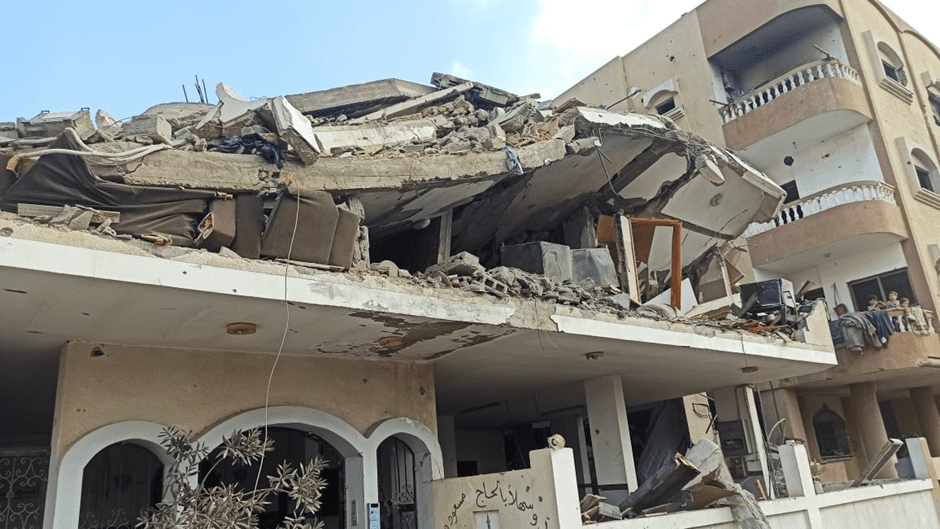
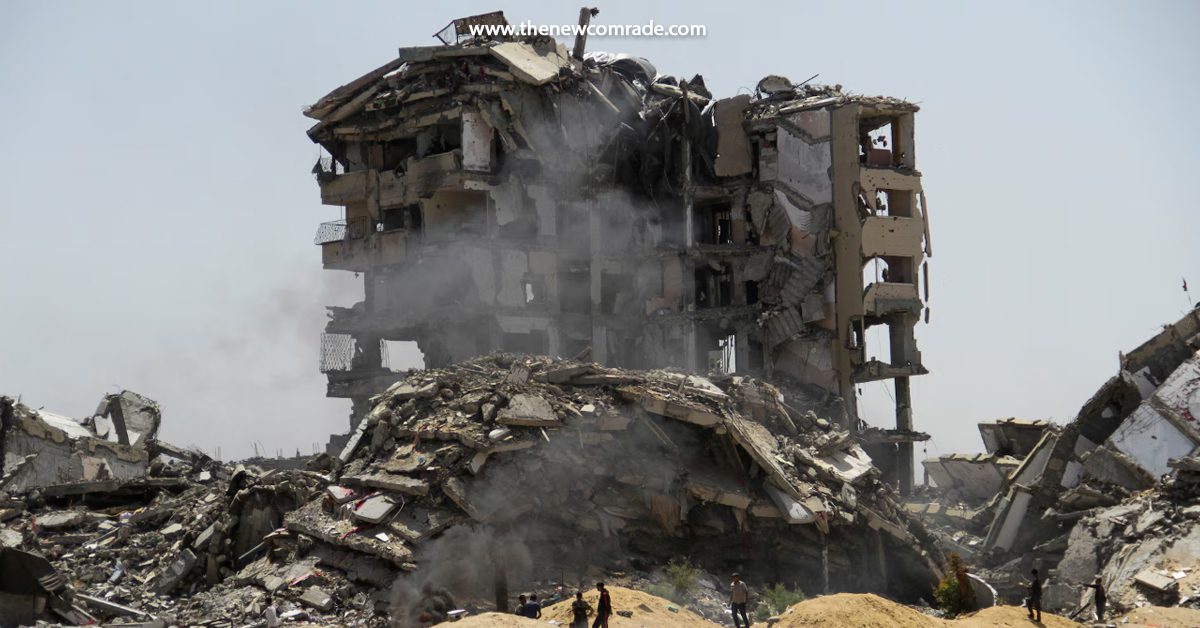
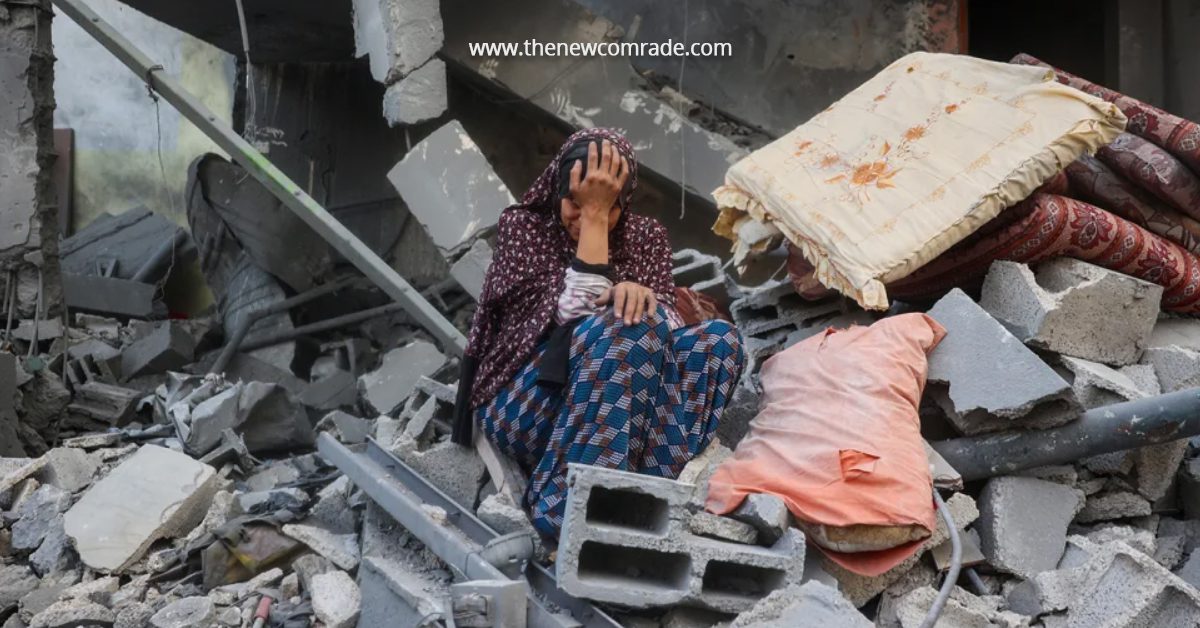
On August 25, 2025, Kuhail family home in ‘Karama’, sheltering dozens of people, was bombed by Zionist aircraft. The attack killed Ruwaa’s both parents, her sister Samah and her husband, and infant son, who was born during the war, her 15-year-old sister Mesk, and 18 year old brother Mohammad.
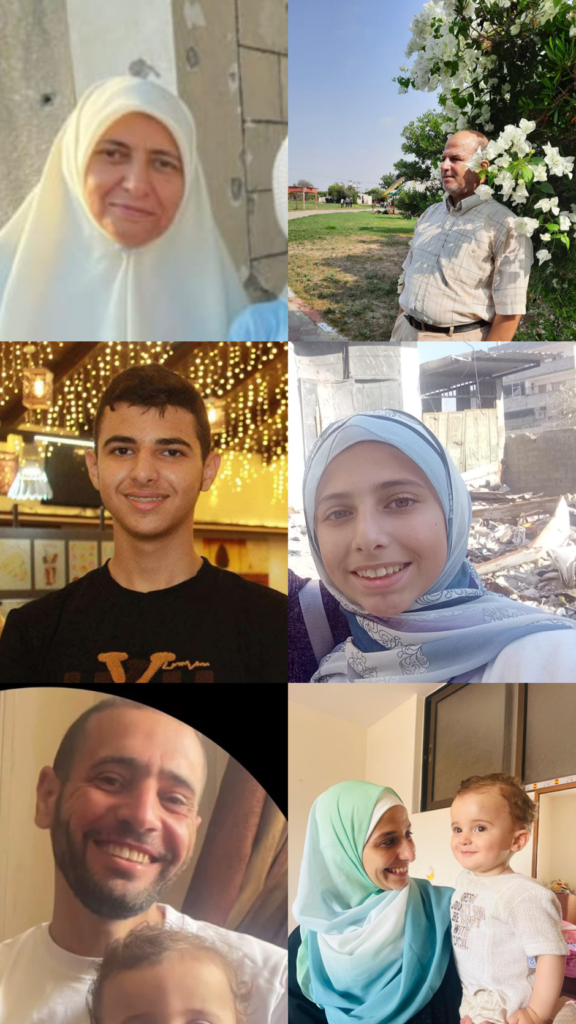
Ruwaa, her husband, daughter, and one of her sisters were the only survivors. Her surviving sister sustained pelvic fractures and severe burns but has begun to recover.
The Day Hope Collapsed
For Ruwaa, the day prisoner names were announced as part of the exchange deal was one of the hardest days of her life.
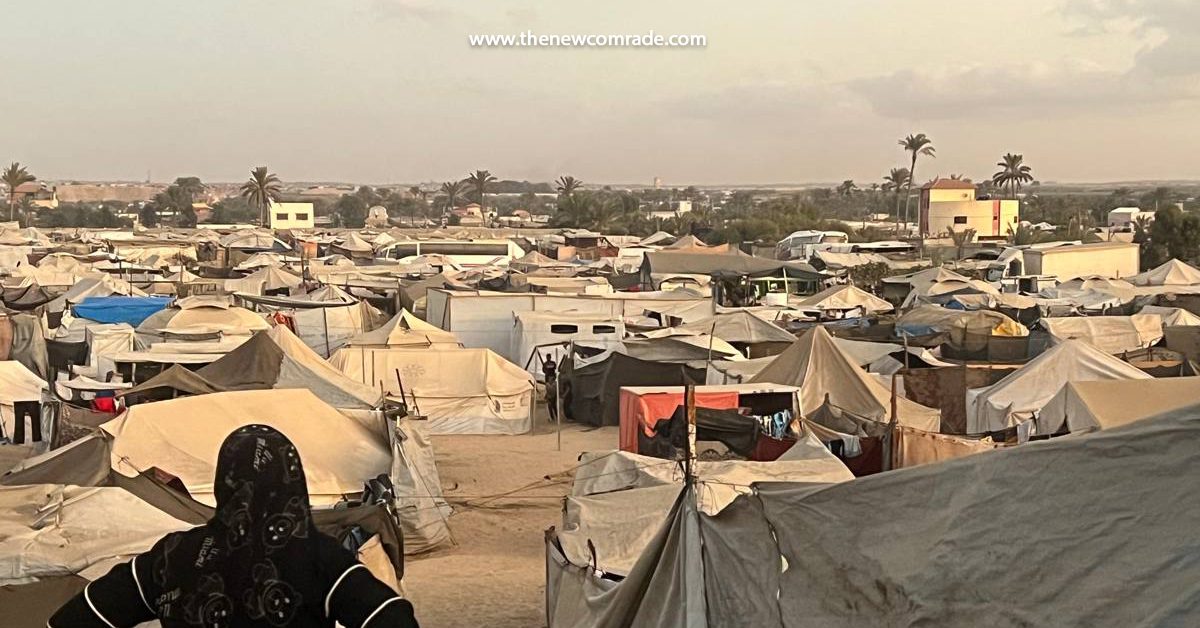
Now living in a displacement camp in Khan Younis, she searched desperately for her brothers’ names – Masoud and Sameh – among those to be released. They were not there.
“The only hope we had left,” Ruwaa says, “was to feel that we still had family, that we still had support after losing our parents. We had hoped that Masoud and Sameh would return. We were left with a heartbreak, like of which, I would not wish for anyone.”
A Law That Deepens Fear
When Ruwaa heard about the recently passed law, her fear turned into something even darker.
“I wished my detained brothers were killed with the rest of my family” she says. “That would have been easier than hearing that they might be executed by hanging, than losing the last hope we have of ever being reunited with them.”
Despite everything, she clings to a fragile hope.
“We still believe that we will see them again. But the occupation is ruthless, and the world watches in silence. Still, we have faith that justice will come, and that the prisons will one day be emptied.”
A Message to the World
“Act. Do something,” Ruwaa pleads.
“The war is not over. People are being killed every day. There are daily attacks, and a severe lack of the most basic necessities of life. This war continues, and the Zionist entity is doing everything it can, to erase us and our cause. The world cannot eternally remain silent.”