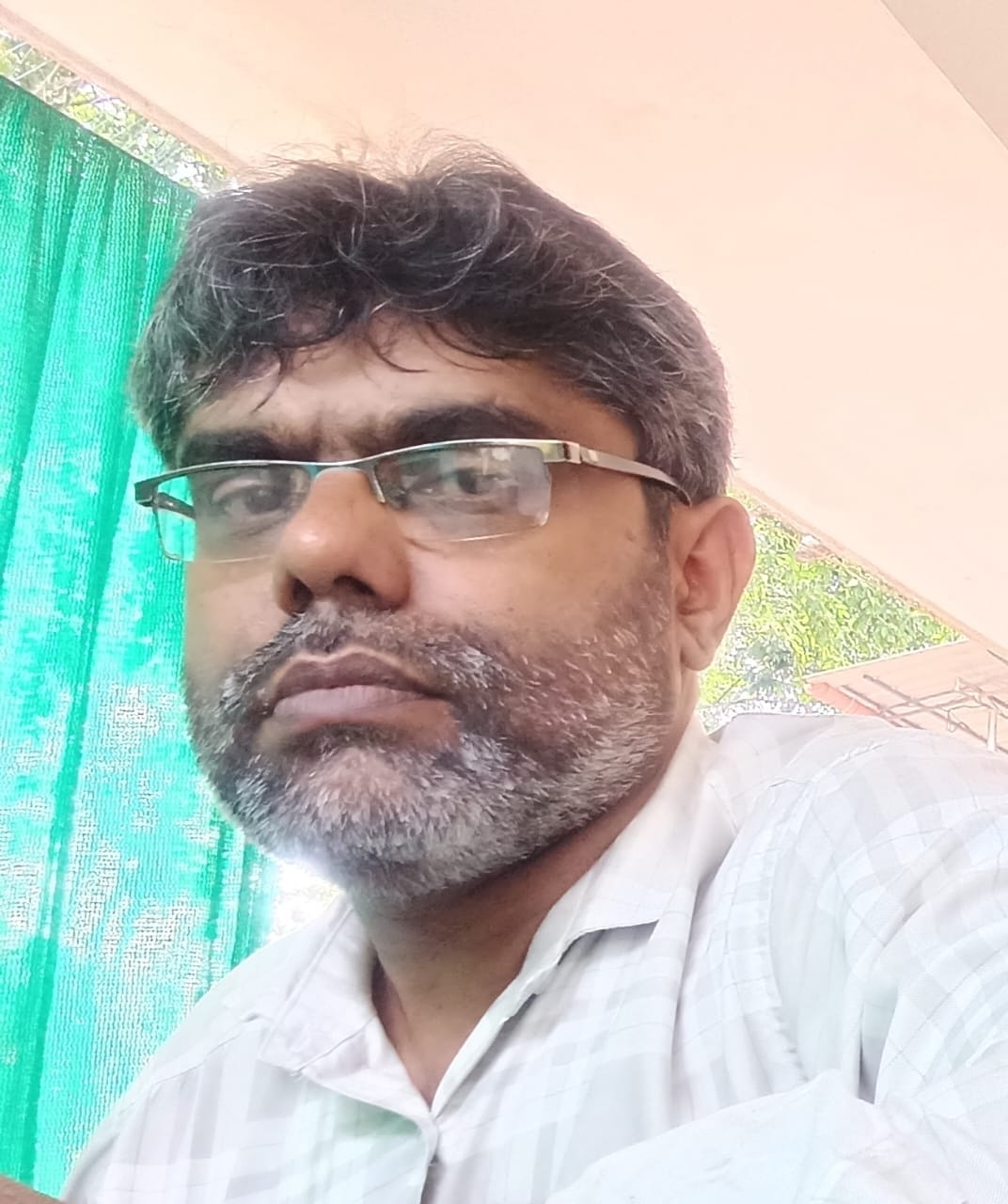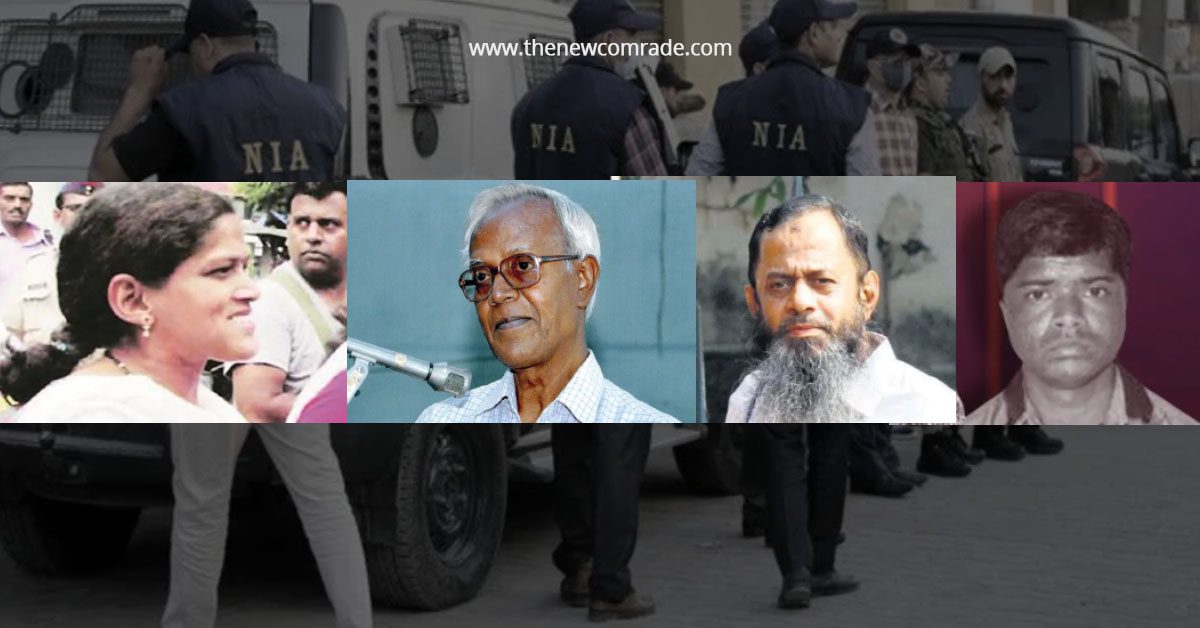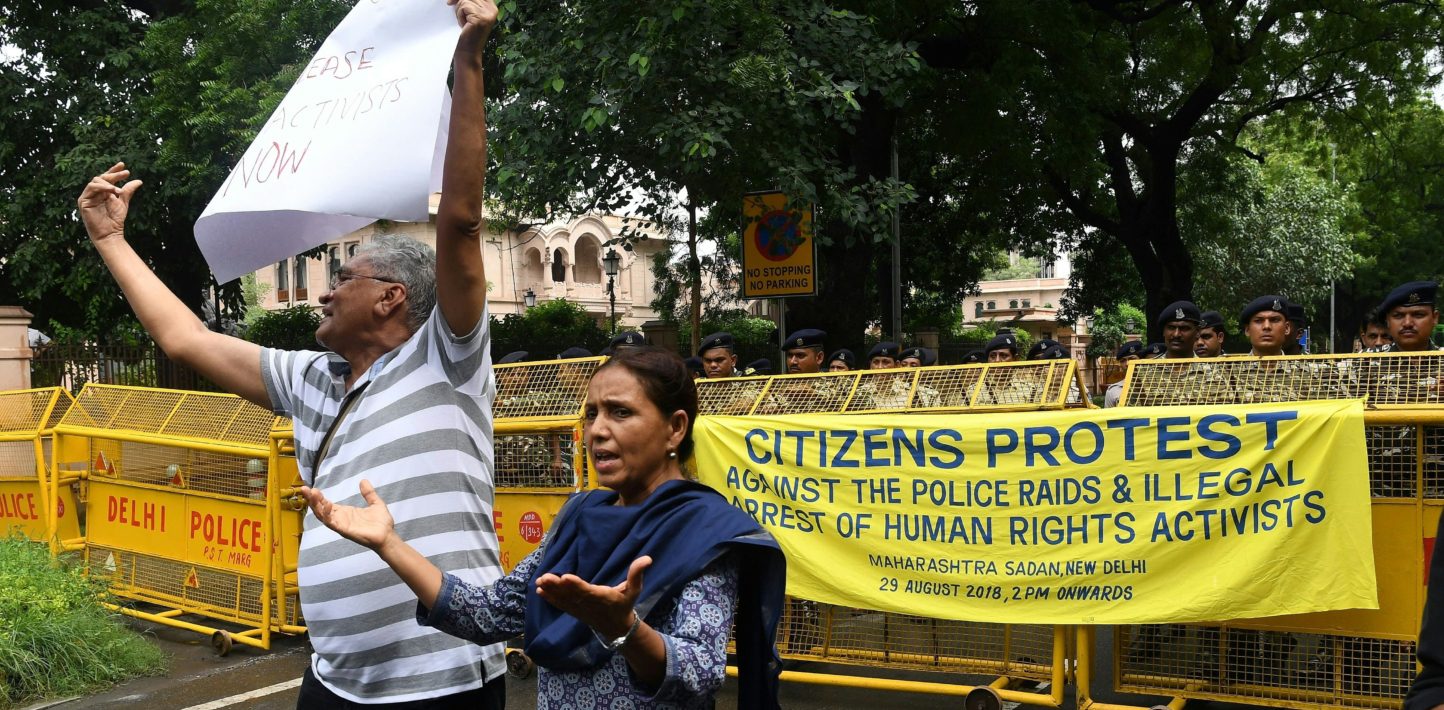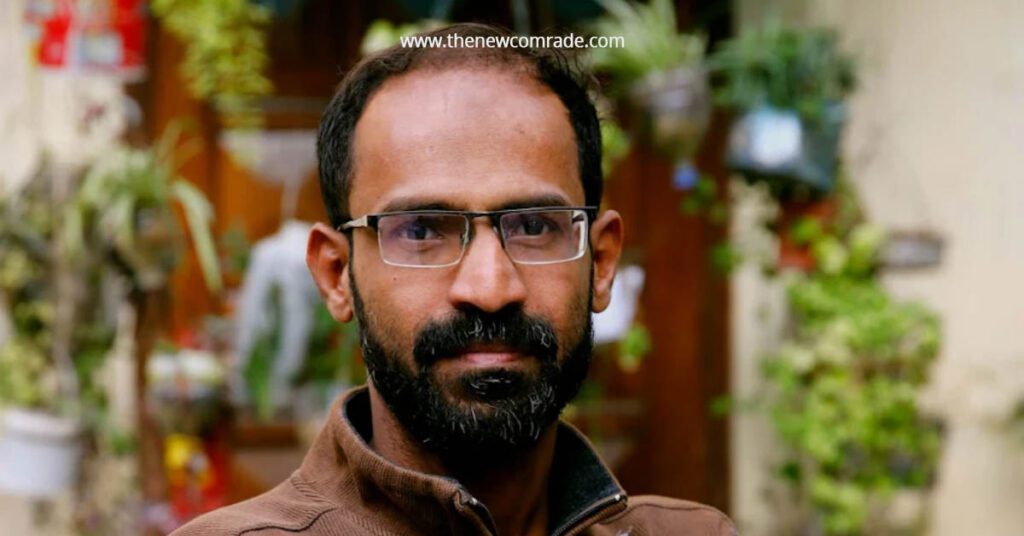
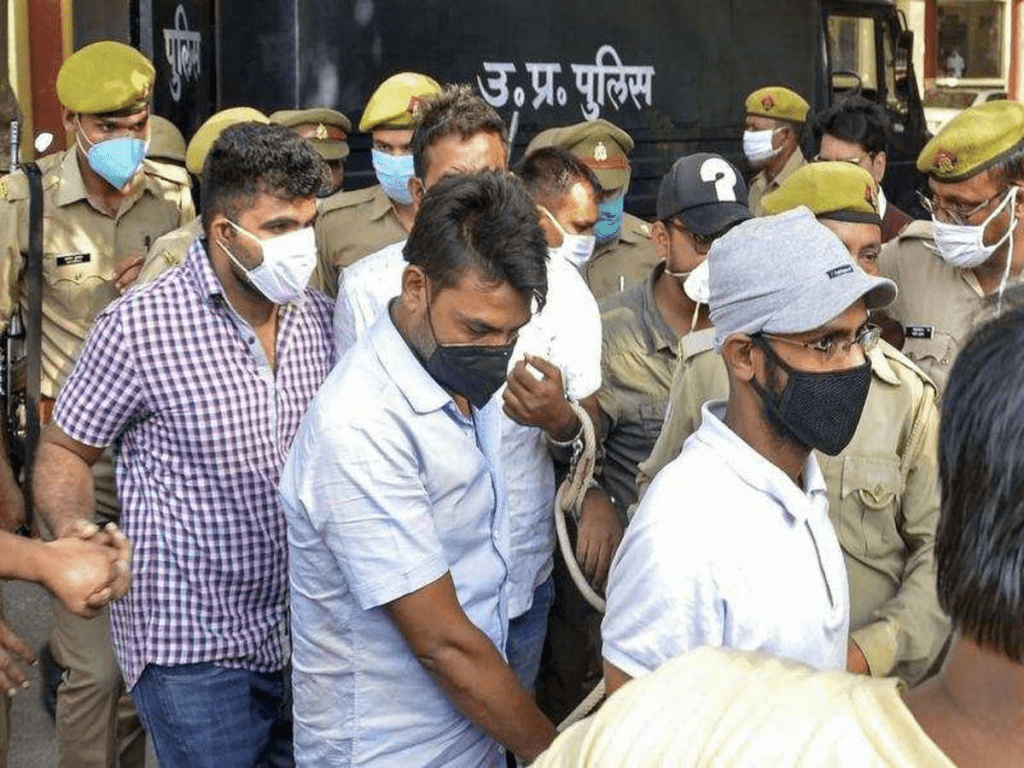
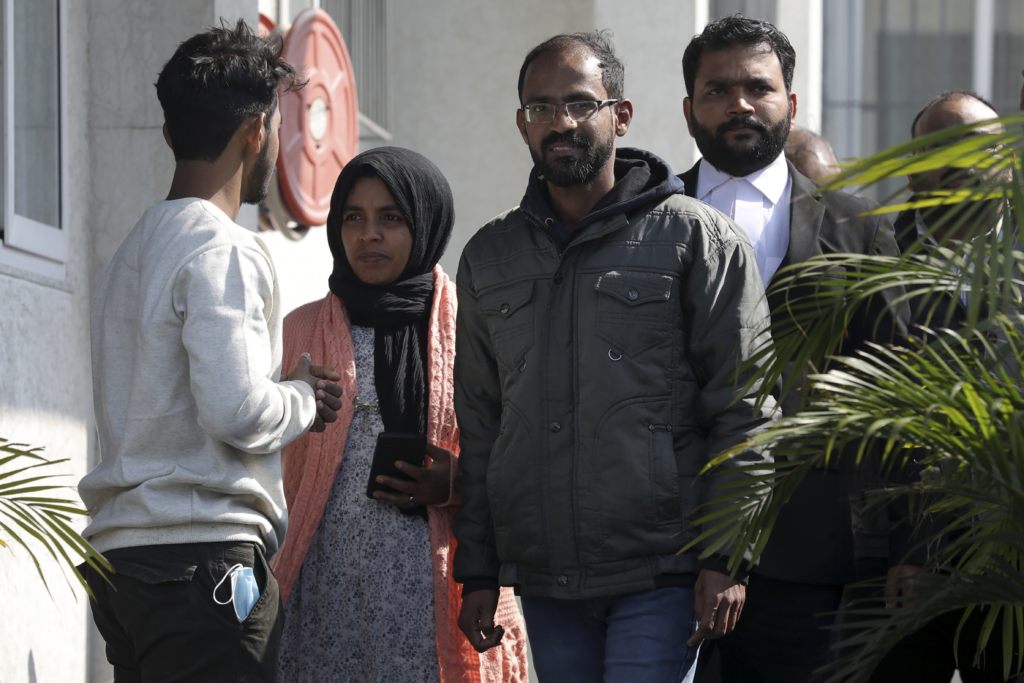
In October 2020, as India reeled in outrage over the alleged gang rape and murder of a 20-year-old Dalit woman in Hathras, Kerala journalist Siddique Kappan set out from Delhi to cover the ground reality. He never reached his destination. The Uttar Pradesh police arrested him and three others at a toll plaza in Mathura, alleging links to the Popular Front of India (PFI). Kappan would spend the next 28 months in prison before being granted bail. The case became a flashpoint for debates on press freedom, draconian laws, and the criminalisation of dissent. Now, free but unsparing, Kappan speaks to us about the state of media work in India, the normalisation of Hindutva after 2024, the rot he sees in the judiciary, and why he believes the ‘INDIA’ alliance has “pathetically failed” to resist fascists.
How would you describe the current state of media work in India, and what do you think are the biggest threats facing independent journalism today?
Independent media work in India is facing a big threat. The situation is reminiscent of the state of ‘internal emergency’ imposed in 1975. One of the main reasons for this situation is the conduct of the media persons themselves. Media persons are themselves enslaved by official propaganda, leading them into servitude and PR work for the regime.
Fearlessness and sincere commitment towards for the people would be necessary in those seeking an independent media work. Further operational tactics need to be devised as per circumstances that prop up.
Based on your experience, how effective have various social and political movements been in building solidarity with Muslims?
Dalit, Adivasi, feminist, student organisations, “secular”, “democratic” movements, have been largely ineffective in their opposition towards targeting of Muslims, though I have witnessed exceptions, rarely. When it comes to Muslim issues, such movements go in the cautious mode. It is a need of the hour that strong Dalit-Adivasi-Muslim coalitions emerge.
Could you share what those 28 months in prison were like for you, what helped you endure that period and what message you would offer to other political prisoners who are still being held under draconian laws today?
The 28 months of my life in prison were very tough. I know well that I am innocent. I was not imprisoned trying for any self-interests or for attempting to commit any universally acknowledged crime. This sense was a source of solace in prison. Above all, faith in God Almighty was the source of a great support for me.
Political prisoners are being held by the regime for doing acts of public good. Therefore, they should not be disappointed; history will record them positively. They need no messages from us – they are the ones positioned to give us messages.
What kind of action do you believe is necessary against draconian laws like the UAPA?
Strong agitations need to arise against draconian laws like the ‘UAPA’. It seems that the general public is not sufficiently aware of such laws. The terrible nature of these laws so far has been largely realised only by those who have suffered at its hands.
In your view, what is the significance of alternative media in India today, and how does it compare to the role being played by mainstream media?
Mainstream media are tools in the propagation of Hindutva agenda. Advertisement revenues are their sole concern, otherwise. They are placed in a position that without government advertisements they cannot survive. Moreover, corporations in cahoots with the regime have taken control of all the major media outlets in India.
Today, the only way for people to know the truth is through alternative media outlets. These need to be popularised. Digital media and local media people are effective tools for resistance and potential avenues available for commoners to air their concerns and views.
What significant changes have you observed in India after 2024, particularly regarding the normalisation of Hindutva, the treatment of minorities, and the functioning of the judiciary?
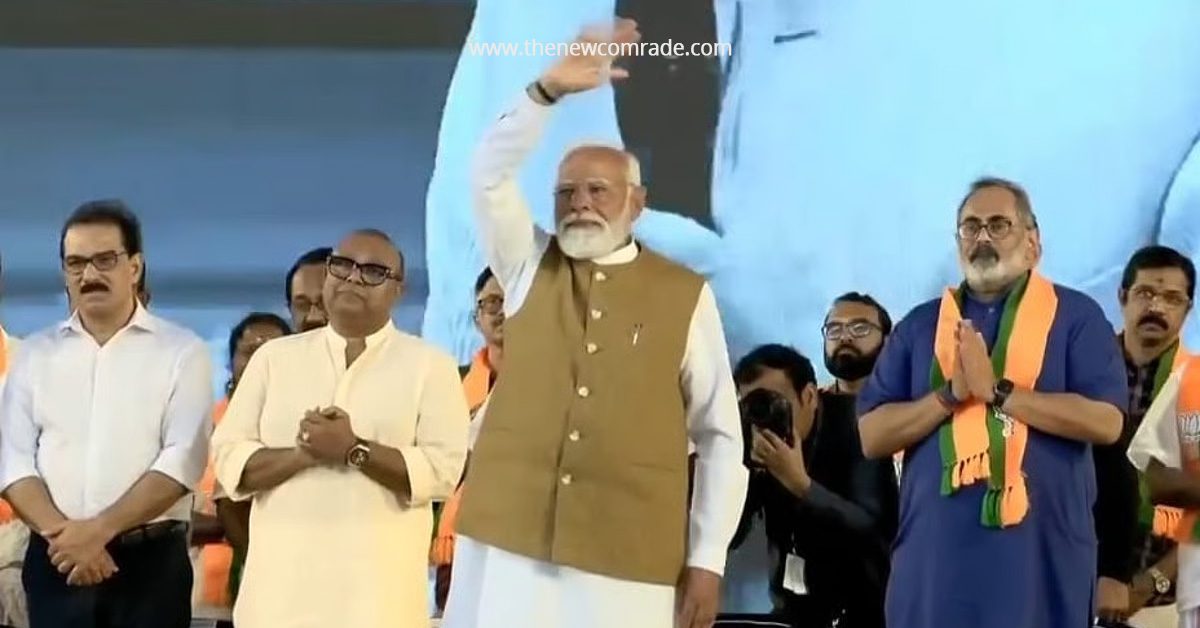
Changes in India after 2024 are very evident. Hindutva has been normalised. Dalits, Adivasis, and Muslims are the primary victims of Hindutva xenophobia. Central and state governments are carrying out concerted actions to oppress these sections of society. Hindutva and the Sangh Parivar are not merely movements; they represent a mindset. This mindset exists across different political parties. During the 2024 election campaign, after Muslims and Dalits being marginalised, debates have been centred around disenfranchising them. This is not just the case of NDA; rather, various other coalitions boasting of various positions in the political spectrum – even in states acclaimed to be having ‘progressive societies’ like Kerala, major Muslim organisations, and even the media outlets that were traditionally considered just and fair have all internalised it.
We are going through a very disgraceful period in the judiciary. Judiciary, which is supposed to be one of the most important pillars of rule of law, has been infested by nepotism, caste and communal bigotry, corruption, etc. This rot in the judiciary will affect the state in the long term. Although weak, the isolated dissenting voices in the judiciary, media, and public form are a source of consolation.
How do you assess the performance and limitations of the ‘INDIA’ alliance, especially in terms of resisting fascist forces, addressing issues faced by Muslims and Dalits, and sustaining popular struggles?
‘INDIA’ alliance is not an institutionalised front. It is a temporary arrangement that becomes active only as elections approach. It has pathetically failed in resisting fascists. The alliance is hesitant to address issues faced by Muslims and Dalits. The sentiments of dominant castes guides their actions. However, opposition parties intervened in my case to some extent, which was because I am a media person. Many people without such privileges keep languishing in prisons throughout the length and breadth of India. On their issues, the opposition takes no stance; rather they even often support the ruling junta’s positions and lies. The opposition does not conduct any sustainable popular struggle on any issue; we have seen this evidently in matters related to Voting Machines and ‘Vote-theft’. All these issues are confined to news and last for one or two weeks. These topics are taken up by them for discussions only when the opposition loses elections.
Featured image courtesy: The Caravan