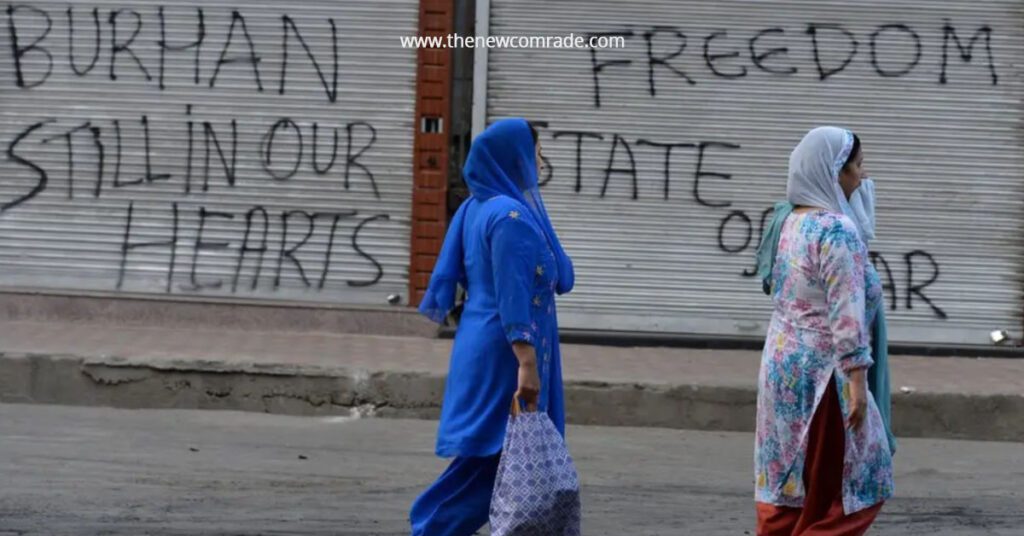
There is a shutter in south Kashmir. On it, someone has written a name in black ink, uneven letters, urgent strokes. Burhan. Still alive. The paint has faded since 2016 but the words have not. This is the story of why.
In the summer of that year, a twenty two year old named Burhan Muzaffar Wani walked with companions into the apple orchards of Bemdora, Kokernag. Indian forces had cordoned the area. What followed was brief and final. A gunfight. Burhan fell first, the commander of Hizb-ul-Mujahideen, struck down before his two comrades, Sartaj Ahmad Sheikh and Pervaiz Ahmad Lashkari, who followed him into death soon after.
News travels differently in a valley under siege. It does not need wires. Grief moved through Kashmir like water through cracked earth, and behind the grief came something harder to name. Rage that had waited long enough. Shops pulled down their shutters on their own, without instruction. Streets emptied themselves. And into that emptiness came the old chant of Aazaadi, and the old answer of stones against armoured men.
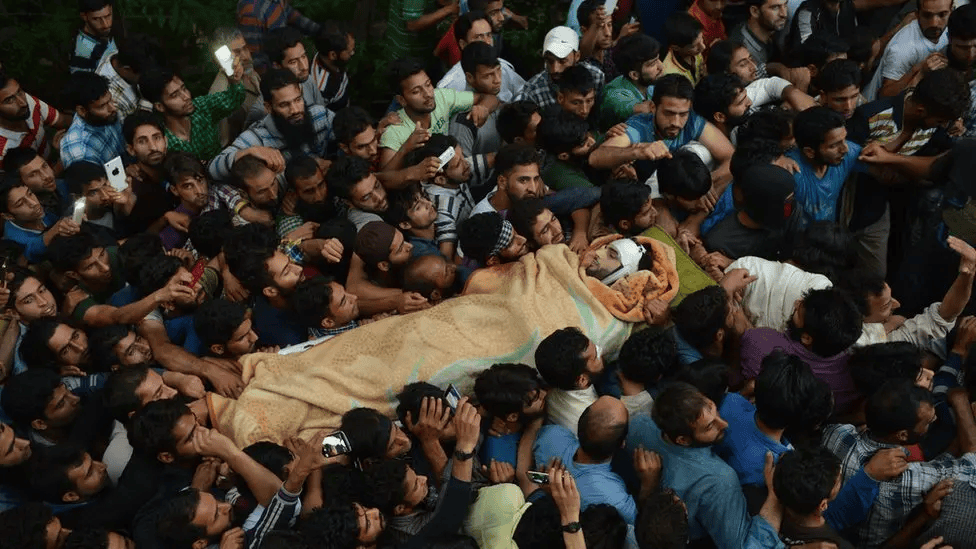
For the Indian state, the story was simple – ‘A “terrorist”, eliminated’. Hundreds of thousands of Kashmiris would not read it that way. They walked past soldiers and past curfew orders to reach Tral, his hometown, to carry his body through streets that had not seen a crowd like it in its living memory. People who had buried fathers and brothers before said they had never witnessed a gathering so vast. That was not the funeral of a mere militant. That was a nation, refusing to look away.
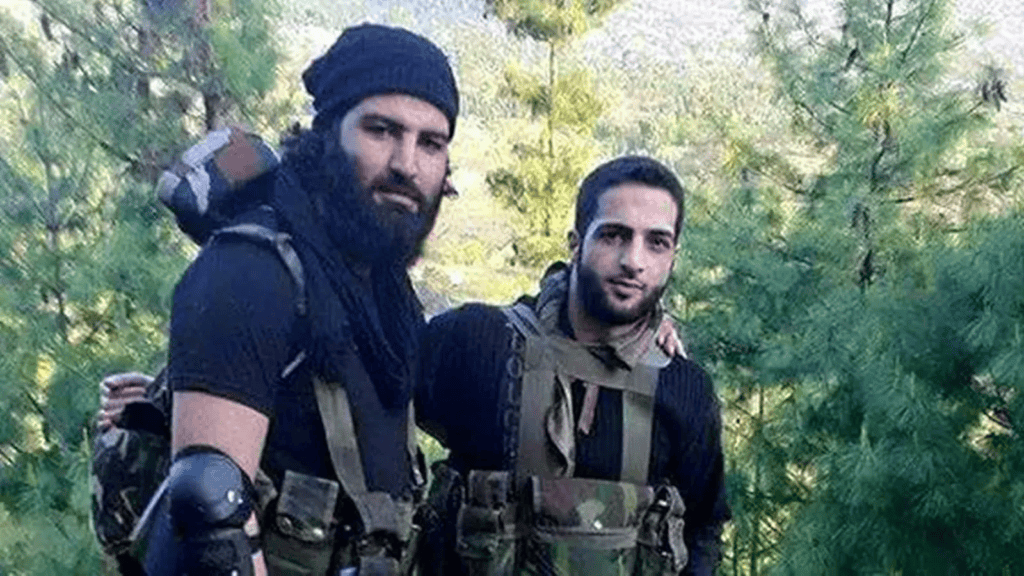
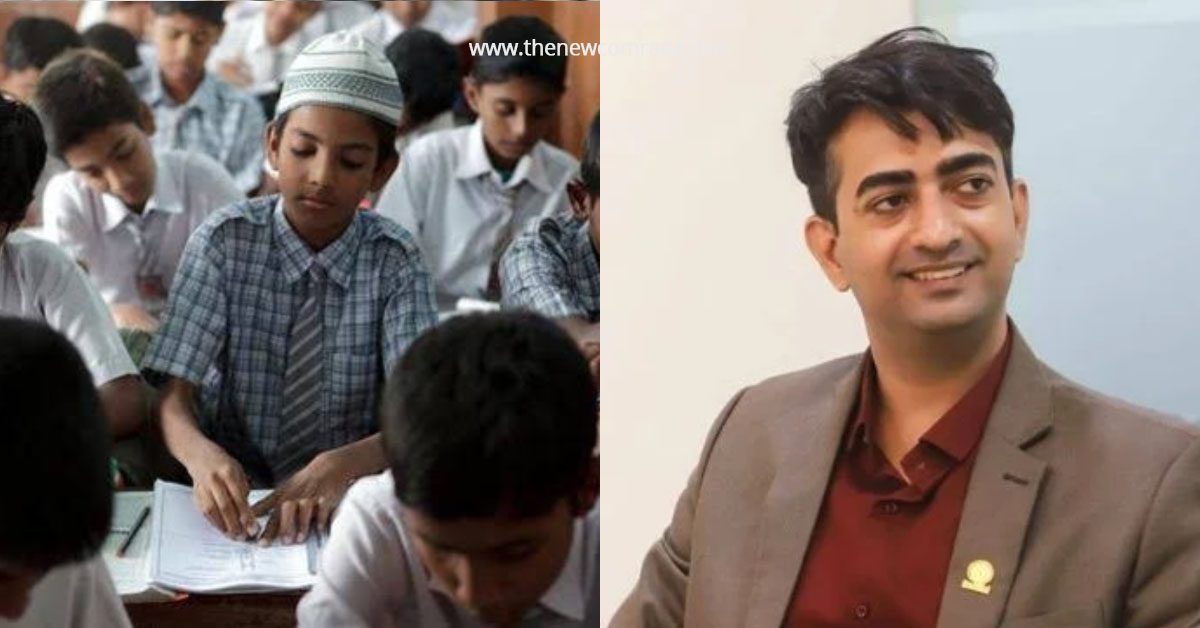
Consider who Burhan was, before the valley made him a martyr. Born into comfort, not desperation. His father ran a government school. His mother carried a postgraduate degree in science. There was no poverty here, no ignorance, nothing that fit neatly into New Delhi’s preferred explanation for why young Kashmiris pick up arms. That explanation has always required the fighter to be poor, paid, foreign, or confused. Burhan agreed to be none of it. He looked into a camera without a mask, in fatigues, holding a weapon, and he spoke. He told young Kashmiris what injustice looked like and asked them to resist it. Those videos are almost impossible to find now, scrubbed from where they once lived, but they did their work before they vanished. He became, in the truest sense, a rebel – built for the digital age, a face that could not be denied or disappeared the way the state had disappeared many before him.
The response from New Delhi told its own story. If a single death could shake an entire administrative machinery into panic, that panic reveals something about the strength of what it fears – Amarnath pilgrimage suspended, phone lines in south Kashmir cut, mobile internet across the region blocked, so that grief could not organise itself as resistance. Business, schools, courts, trains, shops – all silenced; some by curfew, some by the ‘hartal’ calls of those who still dared to speak for freedom. Thousands of armed personnel filled the streets, strung barbed wire across neighbourhoods, and told a population to remain indoors.
None of this began with Burhan, and none of it was unfamiliar to him. At fifteen, he and his brother was picked up and beaten by Indian forces, arbitrarily, mercilessly, the way many young Kashmiris had been. Kashmiris did not need it explained to them. His humiliation was a humiliation they all carried somewhere. What set him apart was that he refused the mask. He announced his war in the open, and in doing so, he gave a kind of dignity to a struggle for self-determination that the world had grown accustomed to ignoring.
The uprising of 2016 did not close after a few weeks of mourning. It stretched on for more than half a year. And when it finally quieted, New Delhi did not read the silence as peace. It read it as an opportunity. In August 2019, the government stripped Jammu and Kashmir of the special status it had held, dissolving whatever autonomy remained on paper. New laws followed, opening land to outsiders, extending domicile rights beyond the region’s indigenous people, dressed in the language of development and integration. Kashmiris understood the language underneath. A demographic reshaping, quiet and legal, of a land whose people were never asked.
Today there is little protest left to see. Anti-India sentiment is not tolerated, and those who voice it find themselves behind bars. Journalists are jailed for writing. Human rights defenders are labelled “terrorists” and held without charge. Young men and political leaders vanish into midnight raids and resurface. If they resurface, in distant jails. Kashmir has long been called the world’s largest open air prison. It has earned that name honestly.
Yet the Indian state’s favourite story – that resistance died with Burhan; that the valley has finally been pacified – keeps failing under its own weight. Every other week, somewhere in Kashmir, and now sometimes in Jammu, gunfire still answers that claim. The defiance did not end. It only learned to live more quietly, in the space between what people say aloud and what they carry inside. An old woman walks past a shutter that reads ‘Burhan still alive’, and does not need to say anything at all. Whether spoken or buried in silence, the spirit endures.