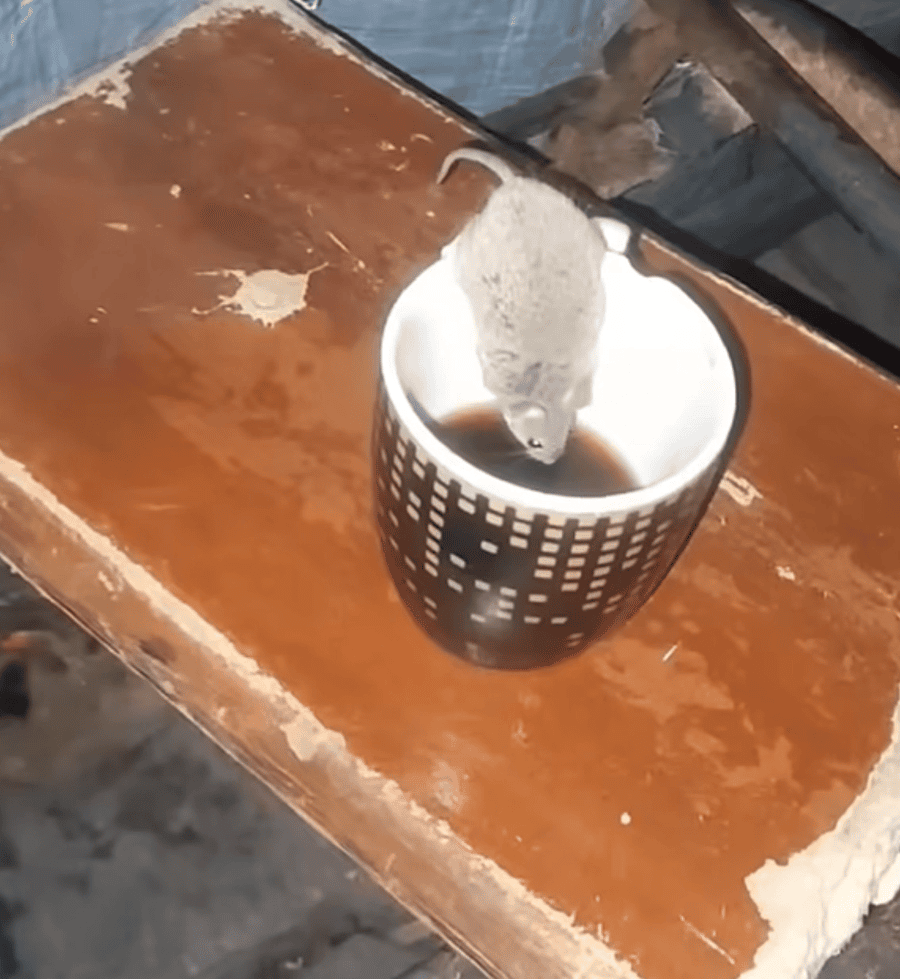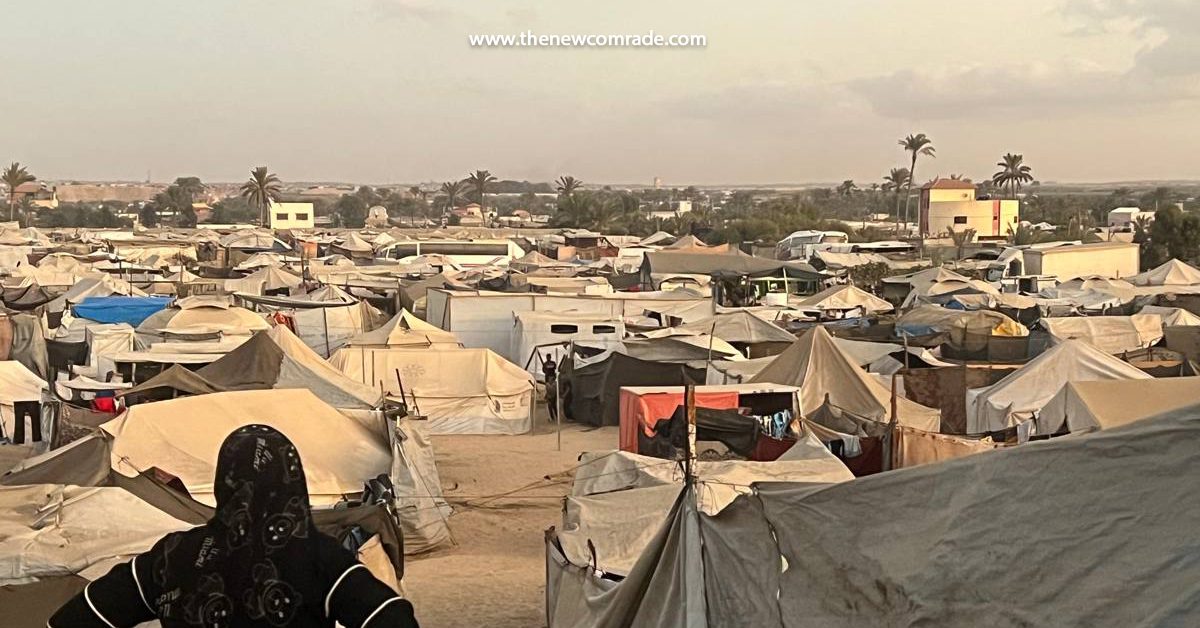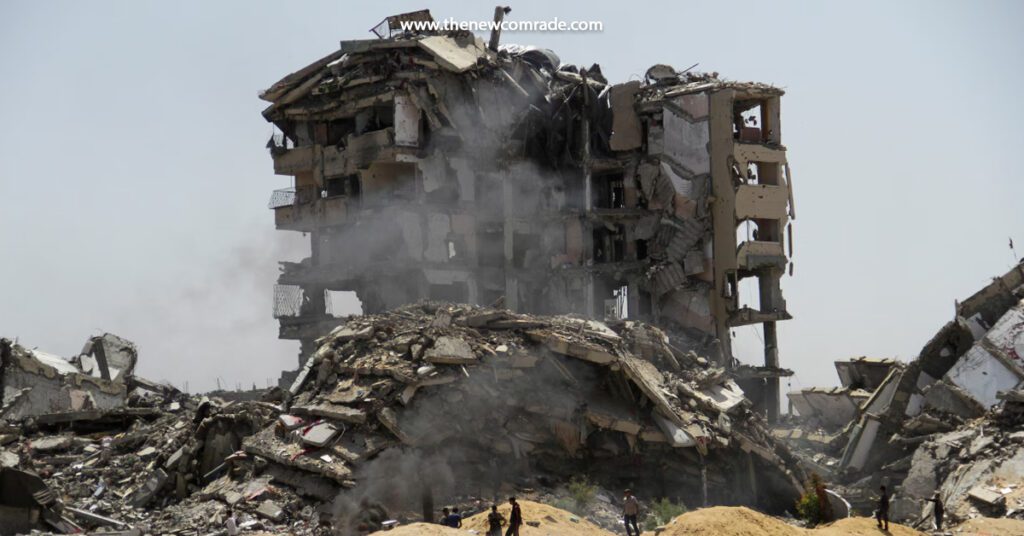
For the hundreds of thousands of displaced people in the Gaza Strip, survival does not end when the airstrikes stop. Every day brings with it another battle – one fought inside torn tents under relentless summer heat coupled with intense infestation by rats, where food spoils within hours, and parents spend sleepless nights guarding their children from dangers that ought to have never existed.
The tents that now serve as homes were never designed to withstand months of weather extremes, let alone years of displacement. Their worn fabric traps unbearable heat during the day, turning them into suffocating shelters where temperatures become almost impossible to endure. With little ventilation, scarce clean water, and almost no electricity, families struggle through endless summer days, while children, elderly, and the sick face dehydration, exhaustion, and cardiac conditions.
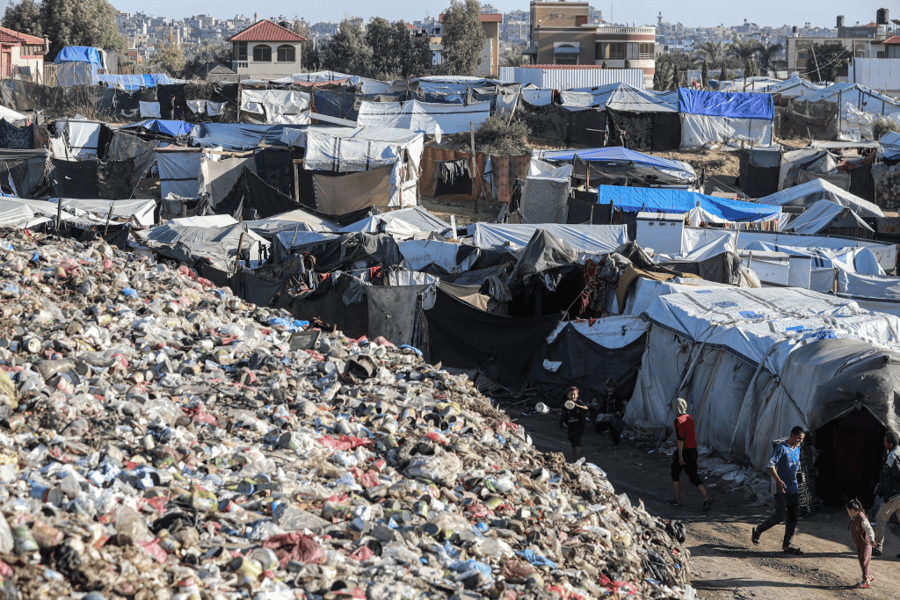
Heat is only one part of this suffering. Sanitation systems have collapsed and piles of waste continue to accumulate around overcrowded displacement camps. Rats have become a constant presence. They invade tents in search of food, chew through fragile fabric, destroy the few belongings families have managed to save, contaminate meals, and leave parents living in constant fear that their children could become the next victims of an attack.
For the displaced, the psychological burden of these nocturnal invasions is almost as devastating as the physical damage they cause.
“The Rats Have Added Another War to Our Lives”
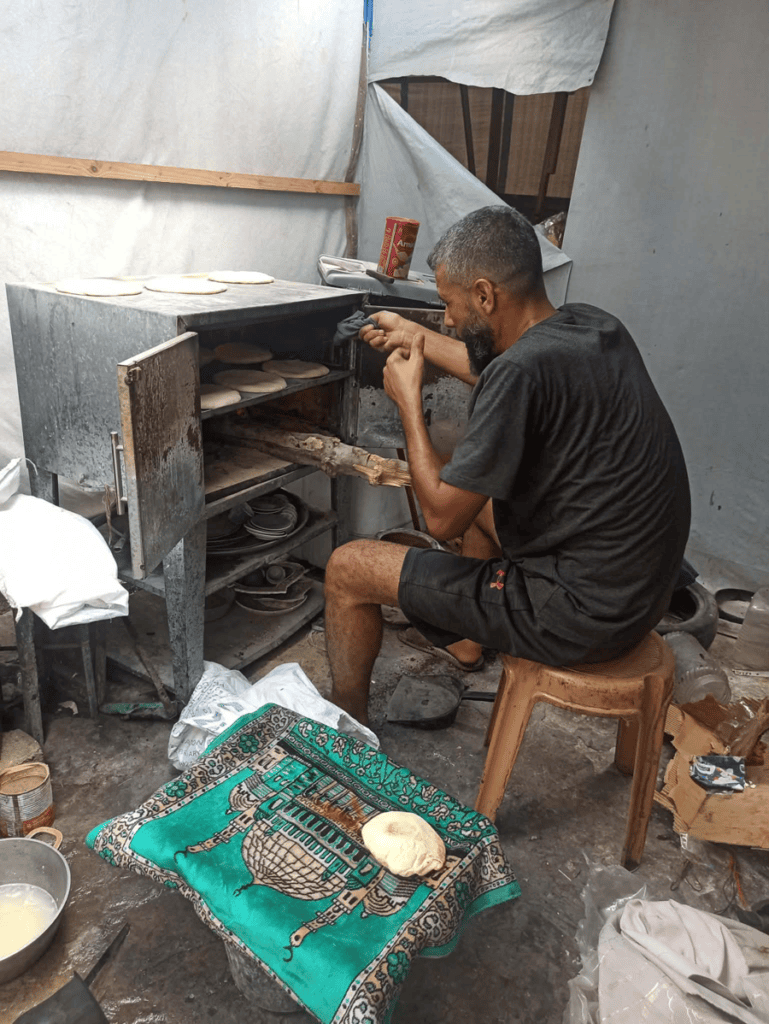
Mohammed Baroud, a 42-year-old displaced father living in a tent in Al-Bureij Camp with his wife and five children, says the rats have transformed every night into a nightmare. “Our tent is worn out and falling apart because of the war, and the rodents attack us every single day. They tear through the tent and destroy the little food we have, forcing us to throw it away because it becomes contaminated.”
For Mohammed, the rats represent more than a sanitation problem.
“These rats have added another layer of suffering to our lives. The damage they cause is no less painful than the hardships of war itself. If we survive the bombing, we still cannot escape the rats that attack us every day.”
His greatest fear is not for the tent, nor for the food; it is for his children.
“I have become terrified that the rats will attack my children, just as they have attacked other children. I no longer sleep through the night. I wake up constantly to check on them, making sure they are safe.” His words echo the fears shared by countless parents across Gaza’s displacement camps, where sleep has become a luxury and safety remains an illusion.
Families traumatised by months of bombardment, now endure nights filled with anxiety, listening for movement inside their tents rather than resting after exhausting days under the blazing sun.
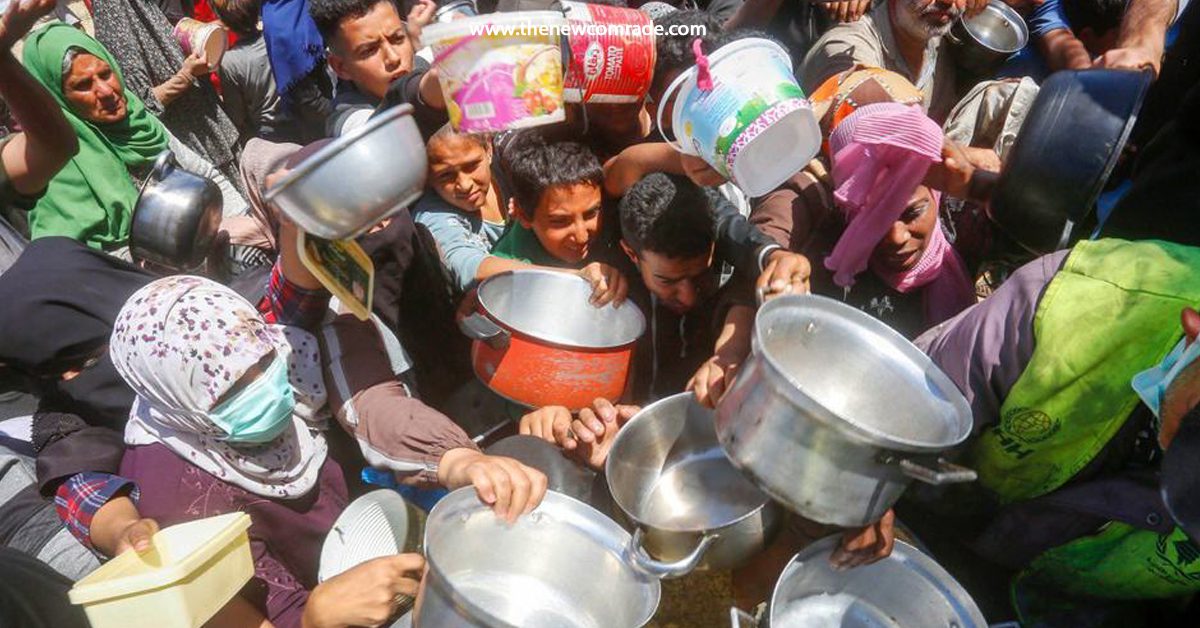
For Gaza’s displaced population, humanitarian suffering is measured not only by destroyed homes or scant food supplies, but also by the countless unseen battles fought every day: against unbearable heat, collapsing living conditions, disease, hunger, and the relentless invasion of rodents.
Long after headlines fade, these families continue to fight for the most basic human needs, a safe place to sleep, clean food to eat, and the hope that their children will wake up unharmed the next morning.
The ongoing Zionist blockade has prevented the entry of “Ratrim,” the toxic rodenticide previously used to control rat populations. Despite repeated attempts to develop alternatives, efforts to contain the infestation have largely failed, while the waste management crisis continues to worsen.
Gaza’s primary landfill now contains an estimated 300,000 cubic meters of waste, creating ideal conditions for rodent breeding. Its location in the middle of a densely populated urban area has further intensified the public health risks.
To reduce these dangers, Gaza Municipality has begun transporting waste to another landfill in central Gaza, where population density is lower. The previous main landfill in the eastern area of Juhr ad-Dik has become inaccessible due to ongoing military activity near the border. Municipal authorities are also exploring the possibility of converting part of the accumulated waste into organic compost, following the suspension of compost imports since the beginning of the war.
However, the municipality authorities contend that most of effective waste management solutions, such as sanitary land-filling and proper waste treatment, have become nearly impossible to implement because of the severe lack of resources. The situation has been made even worse by the destruction of almost 80 percent of the municipality’s vehicle fleet and equipment during the war.
Sewage networks have long served as breeding grounds for rodents. The widespread destruction of these networks has left sewer openings exposed, allowing rats to move freely through residential neighbourhoods. Authorities have attempted to seal damaged sewer openings using zinc sheets, broken tiles, and even expired cement. These emergency measures, however, provide only temporary relief and fail to address the crisis.
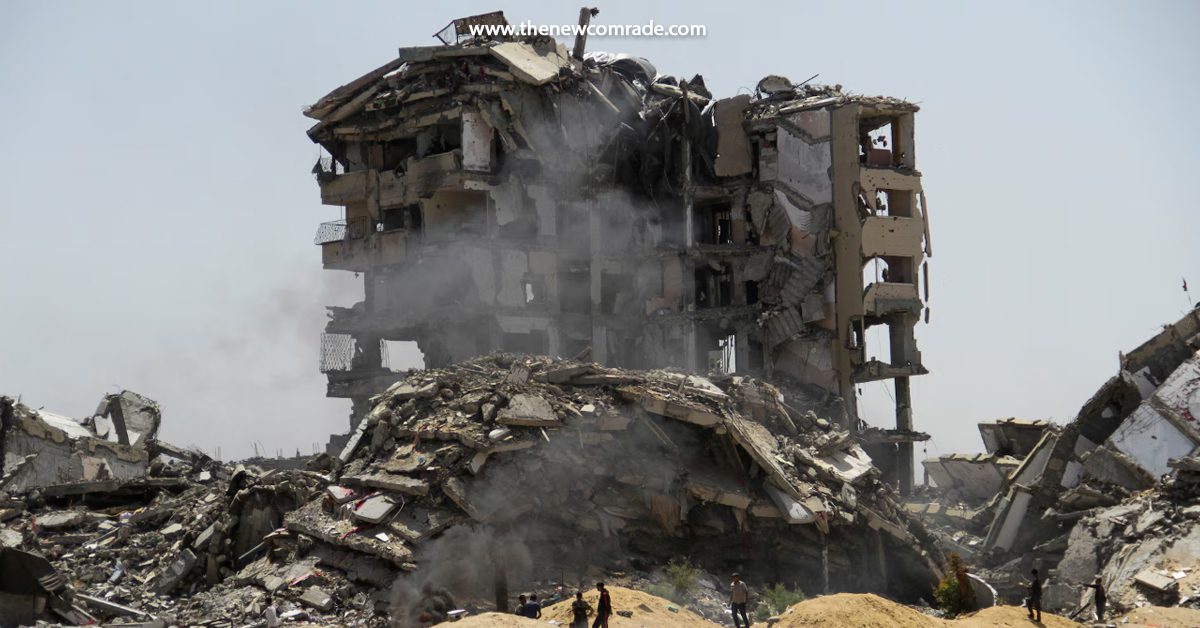
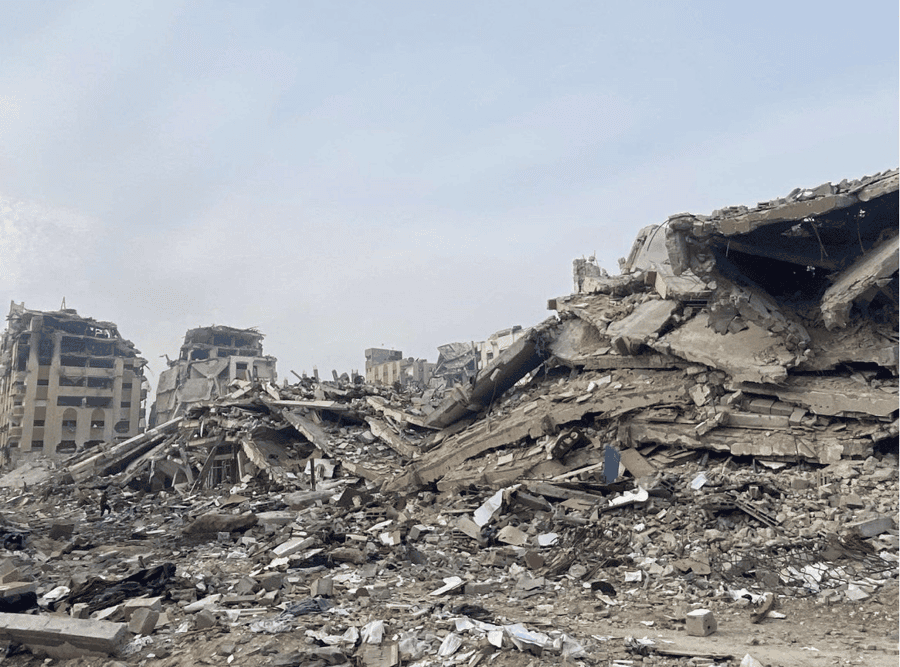
Adding to the misery, an estimated of over 8,500 decomposing bodies remain trapped beneath the rubble of destroyed homes across Gaza. The presence of these unrecovered remains has turned collapsed buildings into a serious public health hazard, contributing to the spread of rodents and increasing the risk of disease outbreaks.
As Gaza’s Ministry of Health, municipalities, and local government bodies continue urging international organisations to pressure the Zionist entity to allow the entry of essential pest-control materials and waste management equipment, residents find themselves confronting another silent consequence of the war.
The rodent infestation has become an invisible battle affecting nearly every aspect of daily life, threatening public health, worsening already unbearable living conditions, and raising growing fears as the hot summer months create even more favourable conditions for the spread of rats.